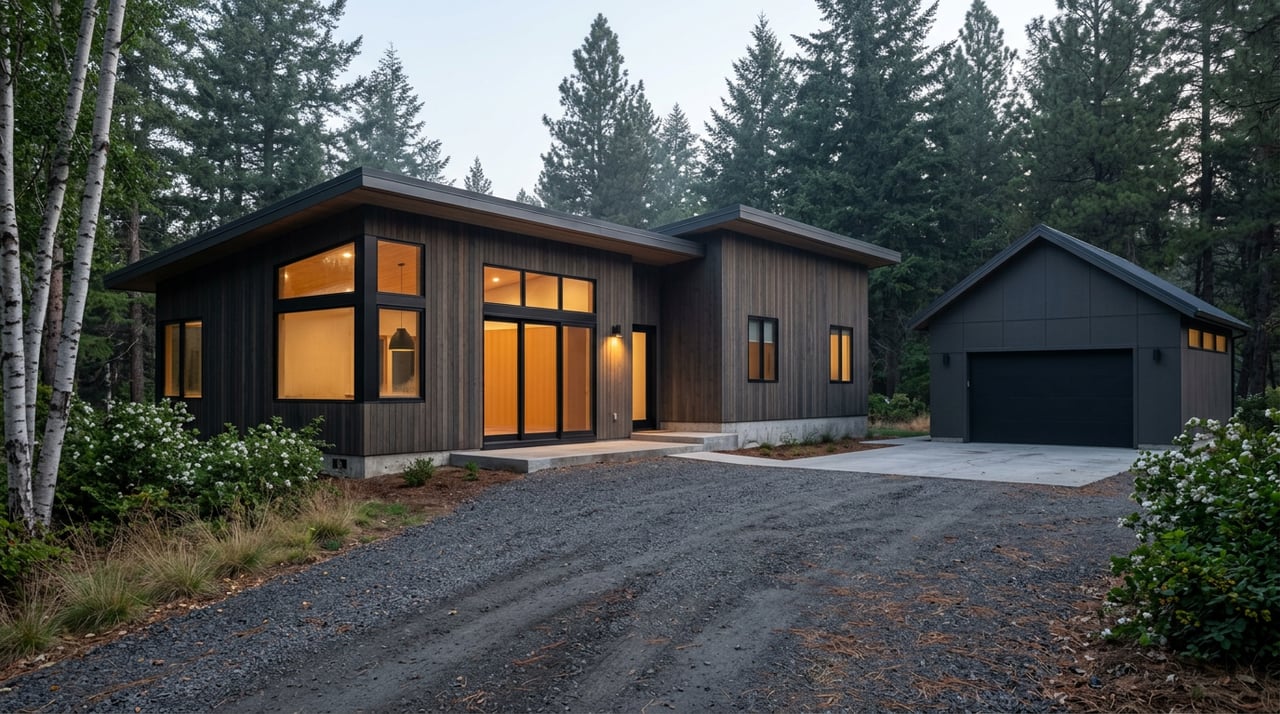
Dreaming of space to spread out near Athol and North Kootenai? You are not alone. With quiet roads, timbered hills, and fast access to US 95 and Farragut State Park, this corner of North Idaho draws acreage buyers who want privacy and year-round recreation. In this guide, you will learn how zoning, wells, septic, access, and utilities shape what you can build and how to buy land with confidence. Let’s dive in.
Why buy acreage in Athol and North Kootenai
Athol sits near the junction of US 95 and ID 54, close to Farragut State Park and Lake Pend Oreille. The area mixes small towns with large stretches of unincorporated county land. That means you will see a wide range of parcels, from open meadow tracts to heavily timbered homesites.
Most parcels are outside city limits, so Kootenai County rules apply. You get a rural feel with quick access to groceries, highway commuting, and four-season adventure. If you want room for a shop, animals, or a garden, this region offers flexible lot sizes and a variety of site types.
Zoning basics that shape your plans
Always confirm the current zoning and permitted uses for any parcel. Start with Kootenai County’s Planning and Building pages for parcel lookup and contacts, then review Title 8 of the Land Use and Development Code for details on your zone. You can view the code in the county’s official resource at the Kootenai County Land Use and Development Code and find department contacts on the Planning and Building page.
Common zones and lot sizes
- Rural (R) zone: minimum lot size is 5 acres in most cases.
- Agricultural (A) zone: minimum lot size is 5 acres for post-1973 lots.
- Agricultural Suburban (AS): minimum lot size is 2 acres.
- Restricted Residential (RR): minimum lot size is 8,250 square feet inside certain Areas of City Impact, with density standards.
These minimums are a big reason you see many 5 and 10 acre parcels on the market. They also affect whether you can split land now or later. Always verify the exact zoning for the specific parcel and ask Planning about any recent amendments.
Accessory living units and shop-homes
If you want a shop with living quarters or a guest suite, Kootenai County allows accessory living units by permit. The code sets size limits, setbacks, and inspection requirements. Confirm the accessory unit workflow and building permits with Community Development before you write an offer. You will find the rules in the county code.
Infrastructure checks that drive buildability
Wells, water rights, and water testing
Idaho Department of Water Resources (IDWR) regulates well construction and permits, and stores well logs you can search before you buy. Ask the seller for the well log and recent water-quality results, then verify details with the IDWR wells database. Plan a pump-flow test and a standard water-quality panel before removing contingencies. Water rights are not automatic with a well, so review IDWR records for any recorded rights or limits.
Septic systems and site evaluations
Panhandle Health District oversees septic permits, performs site evaluations, and keeps septic records across Kootenai County. Request the septic permit file, as-built, tank size, drainfield location, and any maintenance records. If records are missing, order a septic inspection or a new site evaluation, especially if you plan to add bedrooms. Learn more or request records at the Panhandle Health District septic page.
Soils, slopes, and buildability
Soils and depth to limiting layers can determine whether you get a standard drainfield, need an engineered system, or must re-site your building area. Use soils mapping for early screening, then rely on on-site test holes and an engineered septic report to confirm what is feasible. Panhandle Health’s site evaluation is your go-to next step.
Road access, easements, and maintenance
Confirm how you legally access the property. Is the driveway tied to a public, maintained road or a private lane? If private, ask for the recorded easement and road-maintenance agreement. If public, contact the correct Highway District for approach permits, culvert requirements, and sight-distance rules. Winter access and snow removal can affect everyday life and insurance. For public-road questions, start with your local district, such as the East Side Highway District, and use the county’s Planning and Building page to identify the right contacts.
Utilities and internet
Electric service in rural Athol and Rathdrum areas is commonly provided by Kootenai Electric Cooperative or Avista. Ask the utility about line-extension costs and timelines. Natural gas is typically not available in rural parcels, so plan for propane, electric heat, or wood. Wired internet can be limited on back roads; confirm availability and costs to extend service or consider fixed wireless or satellite options.
Safety, wildfire, and natural constraints
Fire protection and WUI exposure
Parts of North Kootenai sit in a wildland-urban interface. That can influence insurance, defensible space expectations, and fire-safety planning. Confirm which district serves your parcel, response considerations, and any burn rules. If you are looking near Athol or Bayview, check the Timberlake Fire Protection District.
Floodplains and wetlands
Even in higher-elevation pockets, some parcels include creeks, low areas, or wetlands. Search the FEMA Map Service Center to see if any portion falls within a Special Flood Hazard Area, since that can trigger building and insurance requirements. Start with FEMA’s official resources at the FEMA Flood Map Service Center.
If you plan to modify a stream or wetland, be prepared for potential state or federal permits. When in doubt, consult your engineer early.
How land value differs from home value
On acreage, value is not just about square feet of house or total acres. It often comes down to whether you can comfortably build and live the way you want.
- Land value drivers: zoning and minimum lot size, recorded legal access, well presence and yield, septic feasibility, usable buildable area, road frontage, proximity to parks or highways, utility availability, and any water rights. These shape per-acre pricing more than the raw acreage count.
- Home value drivers on acreage: condition, floor plan, bed and bath count, quality of outbuildings, and how well the site is set up for your use.
For a deeper breakdown of how buyers in Athol evaluate price, see our guide to pricing acreage in Athol and North Kootenai.
Real-world scenarios to watch for
- The 5-acre timbered parcel with a shared lane: The road is private, the easement is recorded, but there is no maintenance agreement. Lenders may ask for a written agreement before closing. Solution: obtain a road agreement signed by neighboring owners and confirm approach permits with the correct Highway District.
- The 10-acre property with an older cabin: The existing septic predates current permitting and there is no permit on file. Solution: request a septic inspection and site evaluation through Panhandle Health, then budget for a repair or replacement system if needed.
- The 6-acre meadow with a shallow well: Water quality tests are dated and the well log shows a low reported GPM. Solution: order a pump test and water-quality panel, and consult a licensed driller. If results are marginal, factor in storage solutions or drilling costs.
Your step-by-step due diligence
Use this checklist to move from interest to confident offer.
Before you write an offer
- Confirm the parcel’s zoning and permitted uses in the county code and contact Planning and Building to verify the current zoning map.
- Review title items with your agent and title company: deed, CC&Rs, easements, and any road-maintenance agreements.
- Check floodplain mapping at the FEMA Flood Map Service Center.
During contingencies
- Verify legal access and road status. If on a public road, contact the local Highway District, such as the East Side Highway District, for approach rules and permits.
- Pull septic records and site plans from the Panhandle Health District. Order a septic inspection or site evaluation if records are incomplete.
- Pull the well log and any recorded water rights via IDWR’s wells database. Schedule a pump-flow test and water-quality panel.
- Walk the site for slopes, drainage, and buildable areas. If you plan new construction, consider test holes and an engineered septic design.
- Identify the serving fire district and ask about response considerations and burn rules. If you are near Athol, start with Timberlake Fire Protection District.
Before closing
- Confirm utility plans and costs for power, internet, and propane service. Get written quotes for any needed line extensions.
- If timber is present or you plan tree removal, review the Idaho Forest Practices rules and notifications with the Idaho Department of Lands.
- Order a survey if boundaries are unclear or if you intend to build near lines. Resolve any title exceptions or encroachments with your title company.
Buying acreage is a balance of vision and verification. With the right due diligence, you can protect your plans and enjoy the lifestyle you want.
Ready to tour acreage around Athol or talk through your plan to build a shop-home? Connect with Lea Williams for clear next steps, local contacts, and full-service representation tailored to North Idaho land and lifestyle properties.
FAQs
Can you build a shop-home on Athol acreage?
- Often yes. If the living space is separate, it may be considered an accessory living unit and requires permits, size limits, and inspections under Kootenai County code.
Do Idaho wells come with water rights automatically?
- No. Wells and water rights are separate. Always check IDWR records for well logs and any recorded rights or limitations.
Is 5 acres the minimum lot size to build near Athol?
- In many unincorporated areas the Rural and Agricultural zones set a 5-acre minimum, but other zones allow different sizes. Verify the parcel’s exact zoning before you decide.
What if the septic or well fails after I buy?
- Repairs or replacements can be significant. Protect yourself by making the sale contingent on a septic inspection, site evaluation if needed, current water-quality tests, and well performance testing.
Who maintains my road and does it affect access?
- Public roads are maintained by the local Highway District and your driveway connection may need an approach permit. For private roads, you need a recorded easement and a road-maintenance agreement to satisfy lenders and ensure reliable access.